Pool Inspection in Colorado
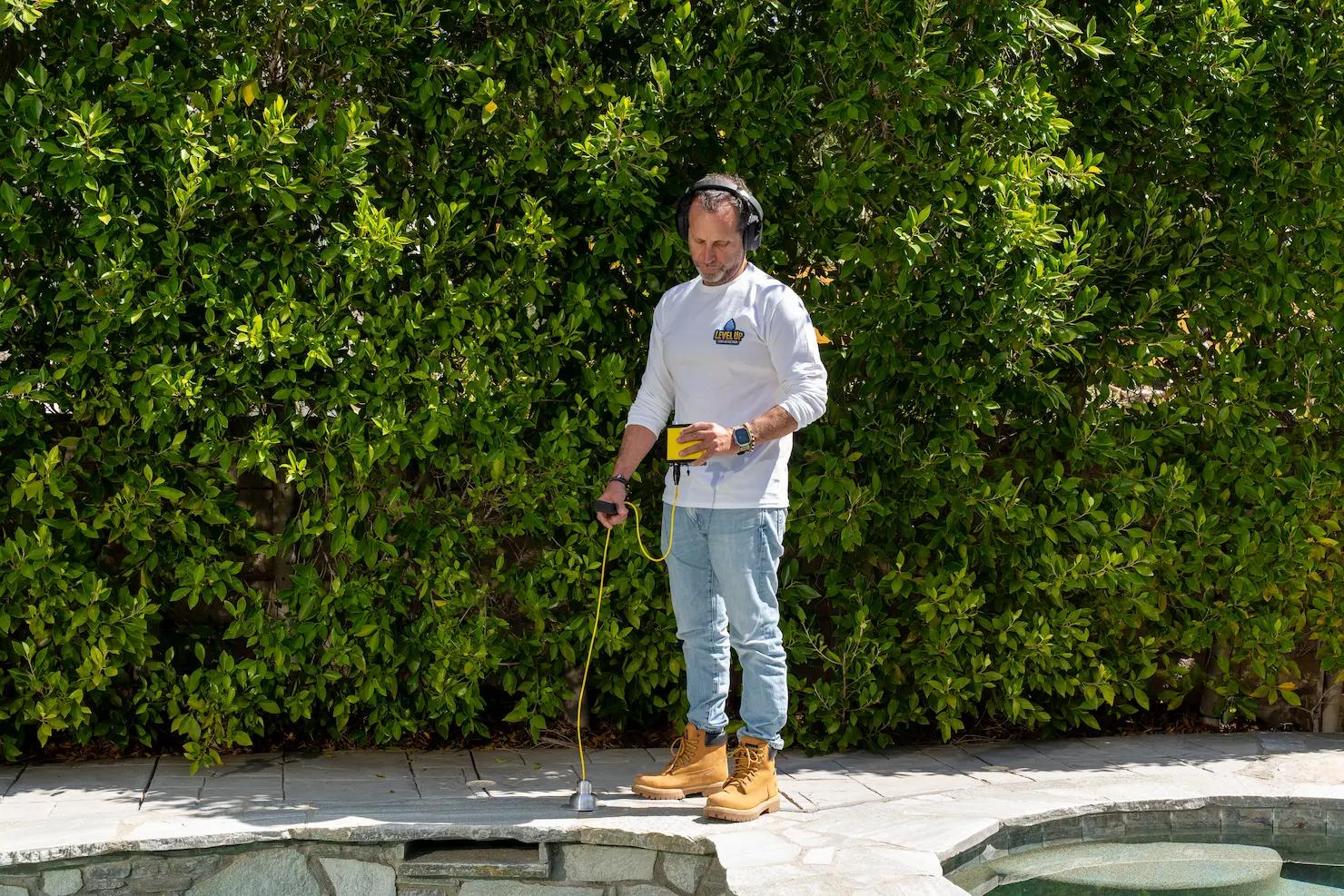
Get the full picture of your Colorado pool's condition. Level Up Leak Detection inspects structure, equipment, plumbing, electrical, safety, and winterization readiness calibrated for high-altitude Front Range conditions. 24-hour detailed reports.
A pool along Colorado's Front Range operates in one of the most demanding environments for pool ownership in the country. Five months of winter closure with 150+ freeze-thaw cycles, bentonite clay that can swell an inch or more overnight after a spring storm, UV radiation 25% stronger than sea level attacking every exposed surface and component, and a compressed swimming season that demands everything works flawlessly from late May through September. A professional inspection tells you exactly what's happening with your pool because in Colorado, problems you can't see from the deck are the ones that cost you the most.
What Our Colorado Pool Inspection Covers
Level Up Leak Detection's inspection evaluates every component through the lens of Colorado's unique high-altitude conditions.
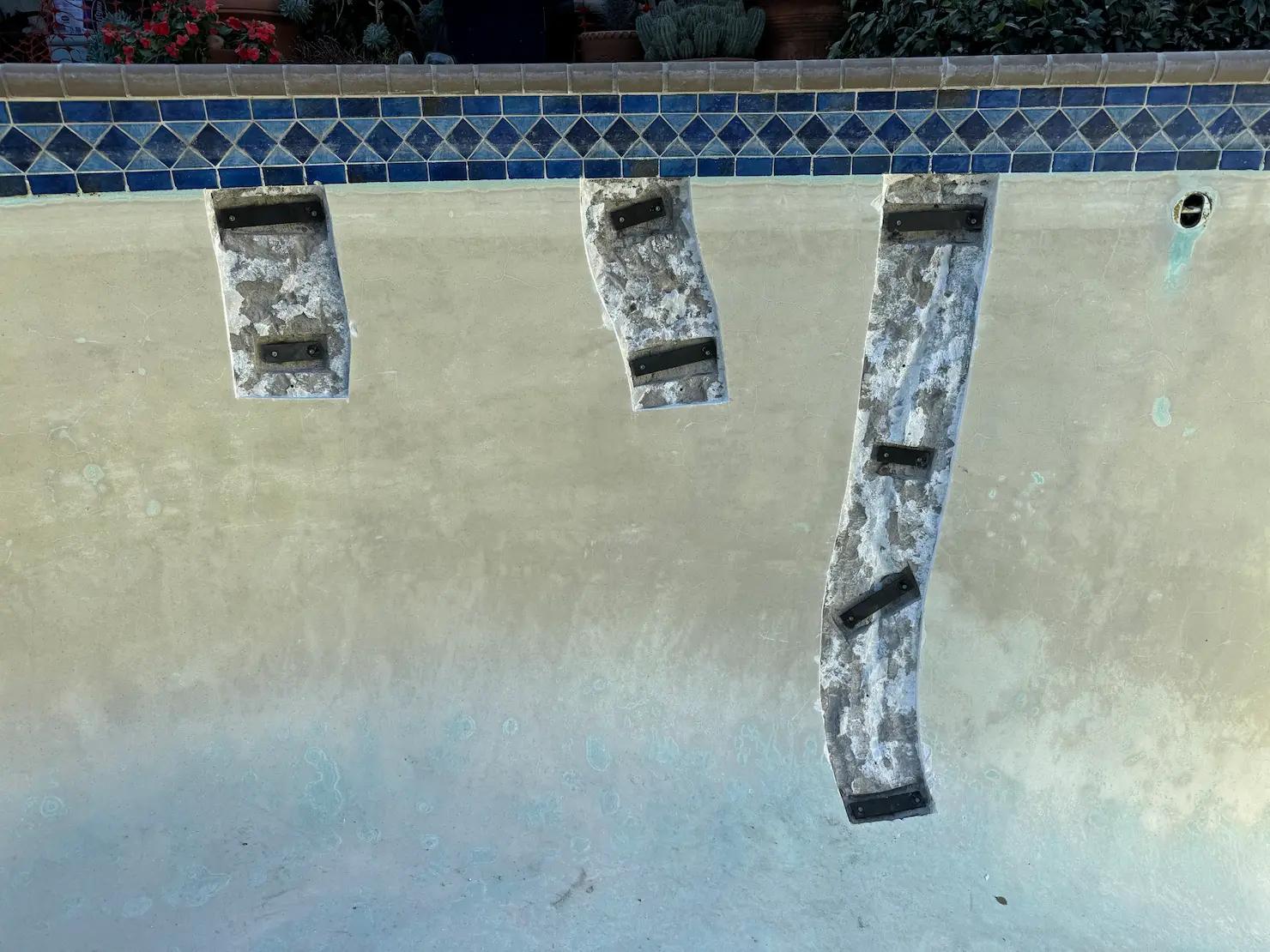
- Pool Shell and Surface — We examine the entire structure for cracks, spalling, delamination, hollow spots, and surface deterioration. Colorado pool surfaces endure a double assault: freeze-thaw cycling drives ice damage into the material while high-altitude UV breaks down the surface chemistry from above. Gunite pools develop spalling and crack propagation from freeze-thaw. Fiberglass shells can develop gel coat crazing, stress bulging near fittings, and UV-induced chalking. Vinyl liners lose flexibility faster at altitude and become brittle sooner than manufacturers' lifespans suggest. We evaluate all three materials with Colorado-specific expertise.
- High-Altitude UV Damage Assessment — This is a Colorado-specific inspection component. At 5,000-6,000+ feet, UV radiation degrades pool components measurably faster than at sea level. We evaluate gaskets, O-rings, plastic fittings, equipment housings, sealants, and surface materials for UV-accelerated aging — identifying components that may look acceptable but are approaching premature failure due to altitude exposure. This assessment prevents surprise mid-season breakdowns during your compressed swimming window.
- Winterization Assessment — We evaluate how well the pool was winterized, whether plumbing lines were properly blown out and plugged, whether equipment was protected from freeze damage, and whether the cover system performed through Colorado's unique winter conditions. Colorado's daily freeze-thaw cycling is harder on winterized pools than sustained cold — lines that retained even small amounts of water face 150+ ice-expansion events rather than a single sustained freeze.
- Mechanical Equipment — Pumps, variable-speed motors, filters, gas heaters, heat pumps, salt generators, automation controllers, and timers are tested and assessed. Colorado pool equipment faces a triple threat: heavy summer operational hours, winter storage temperature extremes, and year-round UV degradation of housings and seals. Equipment lifespans along the Front Range are measurably shorter than manufacturer estimates based on sea-level conditions.
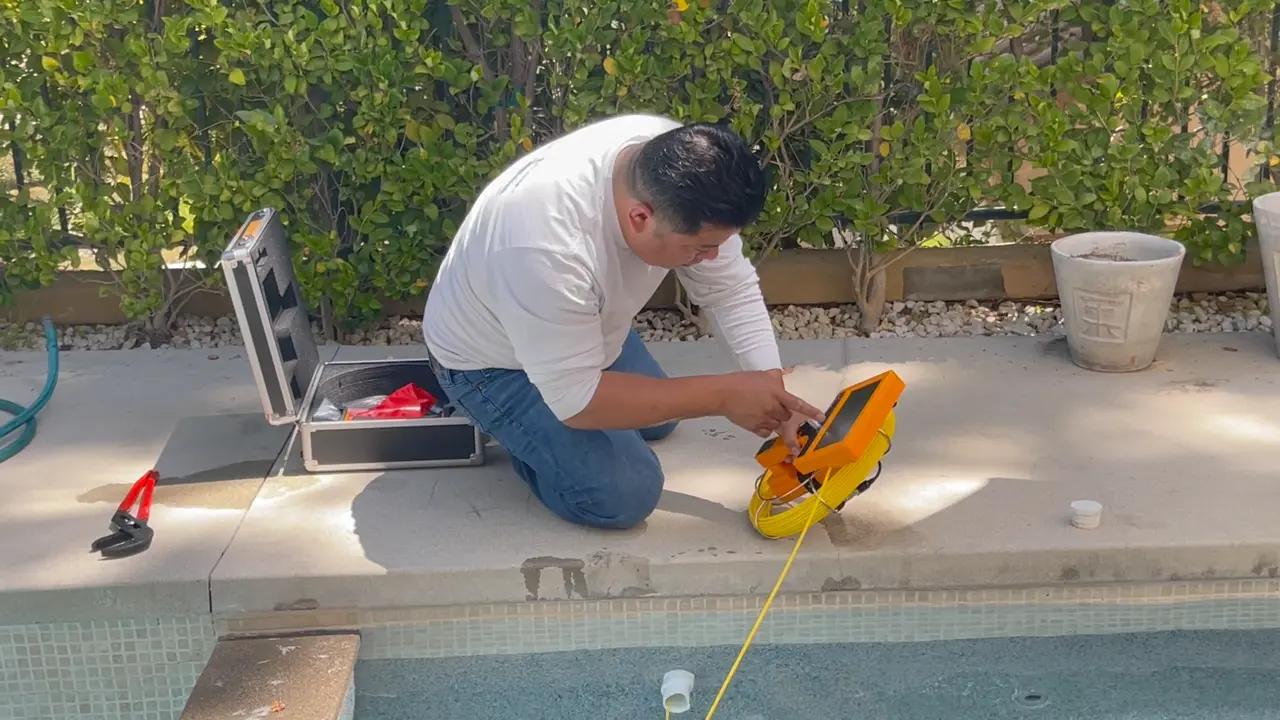
- Plumbing Pressure Testing — the suspect supply or return line gets pressure tested for underground failures. This is the most critical step for Colorado pools because bentonite clay movement and freeze-thaw cycling both attack underground plumbing — and the damage is completely invisible from the surface. A line that held pressure at closing may have cracked during January's daily freeze-thaw cycling or shifted during April's rapid snowmelt-driven clay expansion.
- Electrical Systems — Bonding, grounding, GFCI protection, underwater lighting, and automation wiring are evaluated for function and safety. Colorado's low humidity and intense UV degrade wire insulation and connection integrity faster than humid climates. Altitude also affects electrical components — motor efficiency and heater BTU output are reduced at elevation, and our inspection accounts for altitude-adjusted performance expectations.
- Safety Compliance — Barriers, self-closing and self-latching gates, drain covers, and entrapment prevention are verified against current Colorado and local municipal code requirements. Pool barrier requirements in the Denver metro can vary by jurisdiction — Denver, Aurora, Lakewood, Douglas County, and Jefferson County each have specific code nuances.
- Deck, Coping, and Hardscape — Cracks, settling, heaving, separation, drainage, and trip hazards are documented. Bentonite clay movement along the Front Range produces some of the most dramatic deck damage we see in any market — sections heaving several inches after spring moisture events and settling back during summer drought. Beam line separation between the deck and pool is extremely common and signals active ground movement.
- Pool Cover and Safety Cover — Colorado's hail, heavy snow loads, and UV exposure are uniquely hard on covers. We evaluate frame condition, fabric or mesh integrity, anchors, straps, springs, and hardware. A failing cover in Colorado's climate exposes the pool to freeze damage, debris, and UV that accelerate deterioration during the long closed season.
Colorado's Seasonal Inspection Windows
- Spring Opening (April-May) — The highest-value inspection window. Five months of daily freeze-thaw, potential spring snowstorm loading, and early clay swelling have had their full effect. Spring inspections catch winter damage before it compounds during the swimming season.
- Pre-Winterization (September-October) — Identify problems that must be repaired before closing. Any issue entering Colorado's winter — with its 150+ freeze-thaw cycles — will be dramatically worse by spring. Fall inspections are a direct investment in preventing expensive spring surprises.
- Post-Hailstorm — Colorado's Front Range is one of the most hail-prone regions in the world. Major hail events can damage pool covers, equipment housings, coping, tile, and even pool surfaces. Post-hail inspection documents damage for insurance claims and identifies issues needing repair before winter.
- Pre-Purchase / Pre-Sale — Pool condition significantly impacts Front Range real estate transactions. Our documented inspection reports provide buyers with negotiating leverage and sellers with clean condition documentation.
What You Receive
Within 24 hours you receive a comprehensive digital report:
- Component-by-component condition assessments with altitude-adjusted lifespan estimates
- Photographs documenting every finding
- Repair cost estimates for each issue
- Priority ranking — urgent vs. monitor vs. cosmetic
- Winterization recommendations for Colorado conditions
- UV exposure assessment for equipment and surface components
- Maintenance schedule calibrated for the Front Range's compressed season
We follow up with a personal review call — plain language, no jargon.
Who Benefits From a Colorado Pool Inspection?
- Homebuyers — Front Range pools hide expensive problems. Bentonite clay damage, freeze-thaw failures, UV-degraded equipment, and altitude-shortened component lifespans can add up to five-figure surprises. Our report gives you documented leverage before closing.
- Sellers — A pre-listing inspection eliminates deal-disrupting surprises and proves pool condition in a competitive market.
- Spring Opening — Annual post-winter inspections catch damage before it worsens during the swimming season. The most cost-effective inspection timing in Colorado.
- Pre-Winterization — Identify and repair issues before 150+ freeze-thaw cycles amplify them.
- Property Managers and HOAs — Colorado's climate demands documented seasonal pool assessments. Our reports provide maintenance accountability and capital improvement planning data.
Frequently Asked Questions
Answers to the questions Colorado homeowners ask most about pool inspection.
Talk with a certified leak detection technician. No pressure, just straight answers.
What does a Colorado pool inspection include?
Shell and surface, high-altitude UV damage assessment, winterization evaluation, all equipment, plumbing pressure testing where warranted, electrical systems, safety compliance, deck and coping, and cover condition. You receive a comprehensive report with photos, findings, altitude-adjusted lifespan estimates, and priorities within 24 hours.
Why is a Colorado pool inspection different from other states?
Colorado pools face conditions no other market combines — 150+ annual freeze-thaw cycles, bentonite clay that swells up to 15 times its dry volume, UV radiation 25% more intense than sea level, and hail exposure. Our inspections are calibrated for these specific high-altitude Front Range factors. A generalist inspection protocol from a sea-level market misses altitude-specific wear patterns.
Do you inspect all pool types in Colorado?
Yes — gunite, fiberglass, and vinyl liner. Each responds differently to Colorado's freeze-thaw, UV, and clay conditions. Gunite spalls and cracks from ice expansion. Fiberglass develops UV chalking and stress fractures. Vinyl liners lose flexibility faster at altitude. We know the specific failure patterns of each material in Colorado's climate.
When is the best time for a pool inspection in Colorado?
Spring opening (April-May) and fall pre-winterization (September-October) are the two highest-value windows. Post-hailstorm inspections are also important along the hail-prone Front Range. Pre-purchase inspections should be scheduled regardless of season.
Do you assess hail damage to pool systems?
Yes. Colorado's Front Range is one of the most hail-active regions in the world. We evaluate cover damage, equipment housing impacts, coping and tile strikes, and surface damage after hail events — providing documentation for insurance claims and repair planning.
How quickly can I schedule?
We typically schedule within 24 to 48 hours across the entire Front Range — Denver, Aurora, Lakewood, Highlands Ranch, Boulder, and all surrounding communities.
Pool Inspection in Colorado
- Pool Inspection in Aetna Estates
- Pool Inspection in Arvada
- Pool Inspection in Aspen Park
- Pool Inspection in Bennett
- Pool Inspection in Black Hawk
- Pool Inspection in Boulder
- Pool Inspection in Bow Mar
- Pool Inspection in Brighton
- Pool Inspection in Broomfield
- Pool Inspection in Castle Pines
- Pool Inspection in Castle Pines Village
- Pool Inspection in Castle Rock
- Pool Inspection in Centennial
- Pool Inspection in Central City
- Pool Inspection in Cherry Hills Village
- Pool Inspection in Columbine Valley
- Pool Inspection in Commerce City
- Pool Inspection in Conifer
- Pool Inspection in Dacono
- Pool Inspection in Del Camino
- Pool Inspection in Denver
- Pool Inspection in Derby
- Pool Inspection in Edgewater
- Pool Inspection in Englewood
- Pool Inspection in Erie
- Pool Inspection in Evergreen
- Pool Inspection in Federal Heights
- Pool Inspection in Firestone
- Pool Inspection in Fort Lupton
- Pool Inspection in Foxfield
- Pool Inspection in Frederick
- Pool Inspection in Glendale
- Pool Inspection in Gold Hill
- Pool Inspection in Golden
- Pool Inspection in Greenwood Village
- Pool Inspection in Gunbarrel
- Pool Inspection in Highlands Ranch
- Pool Inspection in Holly Hills
- Pool Inspection in Hudson
- Pool Inspection in Idaho Springs
- Pool Inspection in Lafayette
- Pool Inspection in Lakeside
- Pool Inspection in Lakewood
- Pool Inspection in Leyden
- Pool Inspection in Littleton
- Pool Inspection in Lochbuie
- Pool Inspection in Lone Tree
- Pool Inspection in Longmont
- Pool Inspection in Louisville
- Pool Inspection in Morrison
- Pool Inspection in Mountain View
- Pool Inspection in Niwot
- Pool Inspection in Northglenn
- Pool Inspection in Parker
- Pool Inspection in Roxborough Park
- Pool Inspection in Sheridan
- Pool Inspection in Sterling Ranch
- Pool Inspection in Superior
- Pool Inspection in Thornton
- Pool Inspection in Watkins
- Pool Inspection in West Pleasant View
- Pool Inspection in Western Hills
- Pool Inspection in Westminster
- Pool Inspection in Wheat Ridge
- Pool Inspection in Zuni
How It Works
Schedule
Contact us via phone or online form. We'll set up a convenient time for your inspection.
Detect
Our certified technicians use specialized equipment to locate the leak source and deliver a detailed leak detection report.
Repair
After your leak detection report is delivered, we will provide an estimate for any recommended repairs.
What Colorado Customers Say
Need Pool Inspection in Colorado?
Schedule your inspection today and get answers fast.
Thanks — we've got it!
A local leak specialist will reach out shortly.
Need help right away?Call us now
Other Services in Colorado
We offer a full range of pool leak detection and repair services.