The Texas sun is no joke. You walk outside in July and feel it scorch your skin. Then you look at your pool. The water level is dropping fast. Is it the heat? Or is your pool losing water from a hidden leak?
Owning a pool in Texas means asking this question every summer. The good news: there's an easy way to tell. At Level Up Leak Detection, we help Austin pool owners spot the real culprit fast.
Let's dive in.
The Science Behind Pool Water Evaporation
Pool water evaporation is a natural process. The sun heats the surface of your pool. The hot swimming pool water turns to vapor. The vapor rises into the air and floats off. Poof. Less water in your pool.
The science behind it is simple. But the evaporation rate is not the same every day. Here's what speeds it up:
- High temperatures: Hot weather pulls more vapor from the surface.
- Direct sunlight: Sunny days push the evaporation process into high gear.
- Low humidity: Dry air soaks up water from your pool faster.
- Windy days: Wind sweeps vapor off the surface and pulls more up.
- Surface area: Bigger pools lose more total water per day.
- Cloudy or rainy: Cool, cloudy days mean less water loss.
In extreme Texas heat, every one of these speeds up. In extreme heat, evaporation occurs faster than ever. That's why your pool may seem to vanish in July.
How Much Pool Water Loss Is Normal?
So how much water can evaporate from your pool? It's normal to lose about a quarter-inch of water a day from normal evaporation.
In extreme Texas heat, with low humidity and windy days, that can climb to half an inch or more per day. That adds up. A 30,000 gallon pool can lose hundreds of gallons of water a day on hot, dry, sunny days.
Here's a quick guide to typical pool water loss in Texas:
If your pool's water level drops more than half an inch on a calm day, you may have a leak. A pool water level dropping that fast is a red flag. Time to check.
Signs Your Pool Is Losing Water Faster Than Expected
Pool owners often blame the heat. But sometimes, the cause of water loss is a real pool leak. Look for these signs:
- Pool is losing water faster than usual on calm days
- Auto-fill runs all day every day
- Wet spots near the pool deck or equipment pad
- Air bubbles in the pool returns
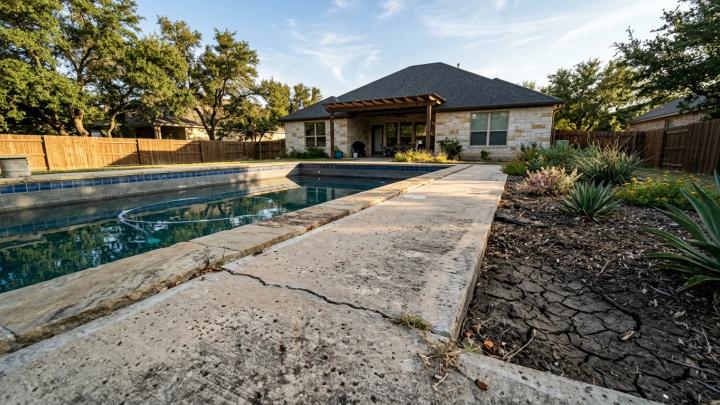
- Cracks in the pool tile or shell
- Water bills climbing month over month
- Pool keeps losing water even after a thunderstorm
- Pool needs a refill twice a week
If any of these match, don't blame the sun. You may have a leak. The sooner you act, the less water in your pool you'll waste.
The Bucket Test: How to Tell Evaporation From a Leak
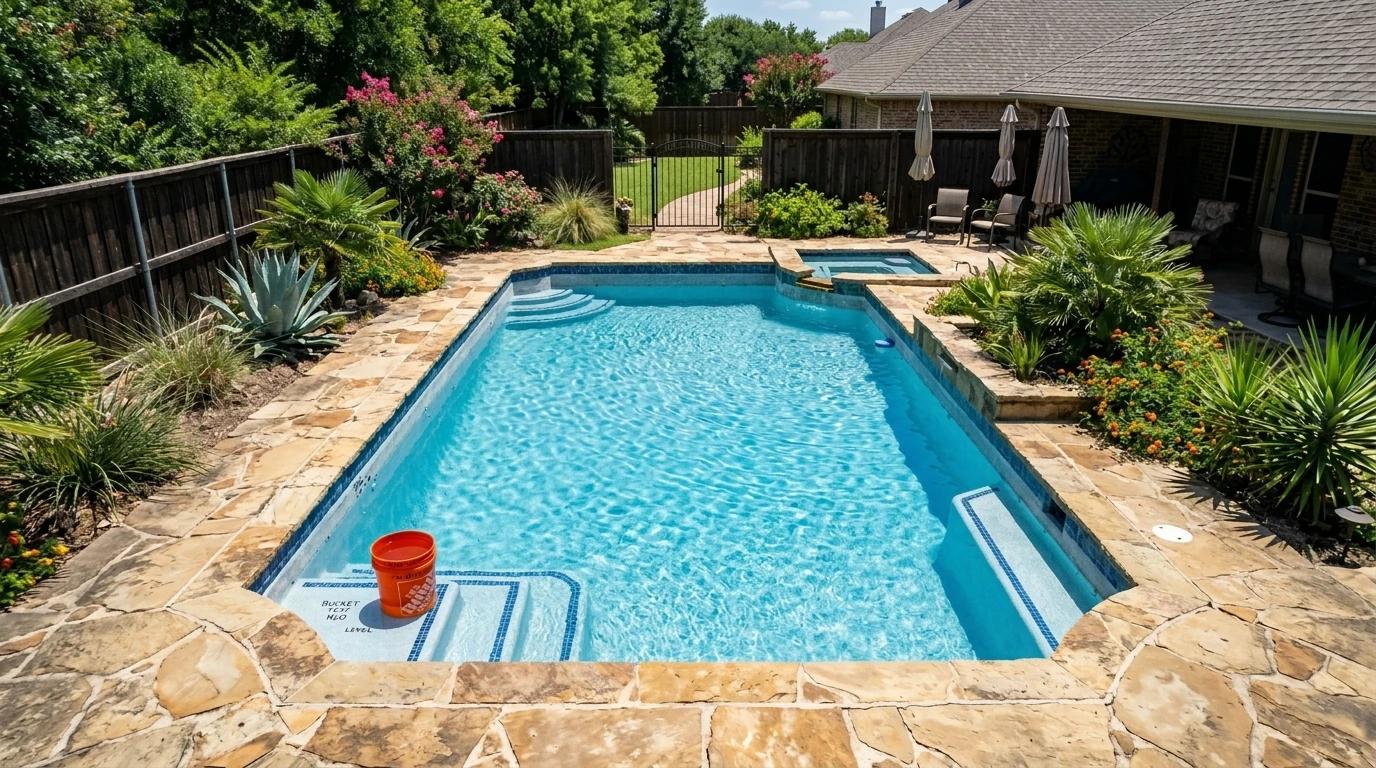
The bucket test is the easiest DIY check for any pool owner. Here's how:
- Fill a 5-gallon bucket about 3/4 full with pool water.
- Place it on the second step of your pool. (This keeps water at the same temperature on both sides.)
- Mark the water line inside the bucket and on the outside.
- Mark the pool's water level on the wall too.
- Wait 24 hours. No swimming. No backwashing. No splashing.
- Compare. If both dropped the same, it's evaporation. If the pool dropped more, you may have a leak.
This test works great in Austin and beyond. It tells you when water is evaporating at a normal rate vs. when something is wrong.
How Much Water Does a Pool in Texas Really Lose?
A pool in Texas loses more water than most. Why? The Texas heat. Austin's summer averages 95 to 100 degrees. Pair that with low humidity and Texas wind, and pools lose water fast.
Even with no leak, an average Texas pool can lose:
- 50 to 100 gallons a day in May or June
- 100 to 200 gallons a day in July or August
- Thousands of gallons of water across a single hot week
That's just evaporation. Add a small leak, and pool water loss can hit shocking numbers. We've seen Austin clients lose thousands of gallons of water in a week from a tiny crack.
What Makes Pool Water Evaporate Faster in Austin?
Austin pool owners ask us this a lot. So let's break it down. Several local factors accelerate evaporation in Austin's summer:
- Heat: Days over 100°F push water temperature past 90°F.
- Sun: Long direct sunlight hours mean more vapor lift.
- Wind: Hill Country breezes pull vapor off the pool fast.
- Dry air: Low humidity sucks up pool water like a sponge.
- Big pools: More surface area = more loss.
- No cover: Open pools lose 30 to 50% more water than covered pools.
If you live in or near Austin, all six of these can hit at once in July or August. That's the perfect storm for pool water loss.
How to Keep Your Pool Water and Stop Water Loss
You can't stop Texas heat. But you can slow down water loss. Try these tips to keep your pool water:
- Use a pool cover when the pool is not in use. This cuts evaporation up to 95%.
- Run the pump at night, not in the heat of the day.
- Top off in early morning when the air is cooler and calmer.
- Limit backwashing your filter to once a month.
- Check water quality weekly so you don't drain water for chemistry.
- Add a wind break, like a fence or hedge, near the pool.
- Run less water in your fountain or spillway features on hot days.
These small steps add up. They cut water bills and protect your pool. They also help you spot a real leak faster, because normal water loss stays low.
Pool Leak Detection in Austin and Beyond
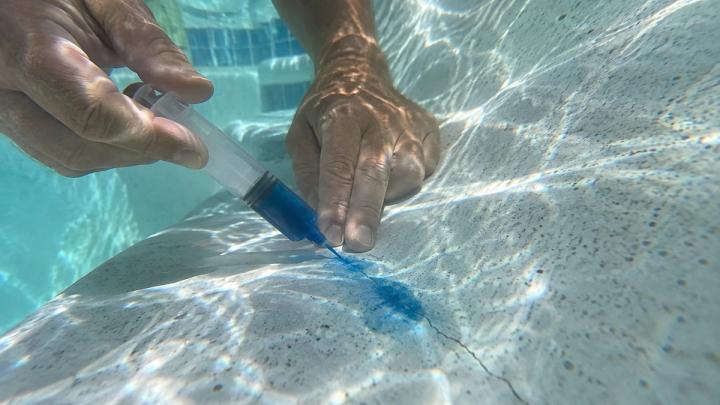
If you suspect a leak, don't wait. Catching it early helps prevent costly damage. At Level Up Leak Detection, we specialize in pool leak detection in Austin, TX, Corpus Christi, and the rest of the Lone Star State.
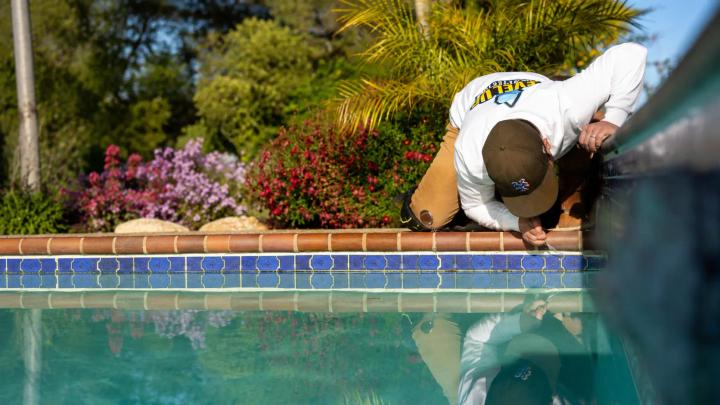
Our expert team uses pro tools to find a leak fast:
Our non-invasive method keeps your yard intact. Most jobs take 1 to 3 hours. We then mark the spot and walk you through the fix.
"We will find your leak. Guaranteed." - Level Up Leak Detection promise
Pool Water Loss Concerns Across Texas
We serve pool owners across Texas. Each area has its own quirks:
- Austin, TX: Hill Country heat, low humidity, big temperature swings.
- Round Rock, Cedar Park, Georgetown: Limestone soil that can hide leaks for weeks.
- Corpus Christi: Coastal humidity is higher, but salt air weakens pool gear.
- Houston: Heavy rains can mask leaks under wet ground.
- Dallas / Fort Worth: Dry clay soil shifts and stresses pool plumbing.
Wherever you live, our team brings the same pro gear and 30-plus years of know-how.
When Should You Call a Pool Leak Detection Pro?
You should call a pool leak detection pro if:
- Your bucket test shows the pool dropping more than the bucket
- Your pool needs a refill more than twice a week
- You see wet spots or cracks near the pool deck
- Your water bills are way up with no clear cause
- You suspect a leak but can't find it on your own
- You hear water running near the equipment pad with everything off
Don't wait. A small leak today is a big bill tomorrow. Early action can prevent costly repairs.
Frequently Asked Questions
How much pool water evaporation is normal in Austin?
About 1/4 inch a day in mild weather. Up to 1/2 inch on hot, sunny, or windy days. More than 1 inch a day means you may have a leak.
How fast can a leak drain my pool?
A small crack can leak 200 to 1,000 gallons a day. A bigger line break can drain thousands of gallons of water in just a few days.
Will a pool cover really help?
Yes. Covers cut evaporation by up to 95%. They also keep water cleaner and lower chemical use.
Can a thunderstorm hide a leak?
Yes. Rain refills your pool and masks the leak for a few days. Once the rain stops, the loss shows up again fast.
Do you work on spas and water features too?
Yes. We handle pool, spa, and water feature leak work across Texas.
How long does pool leak detection take?
Most jobs take 1 to 3 hours from start to finish. Tougher leaks may take longer.
What if my pool keeps losing water even at night?
Evaporation slows at night when it's cooler. If you still see big losses overnight, that's a strong sign of a leak. Time to call.
Will you have to drain my pool?
No. Our methods are non-invasive. We test the pool full of water.
Ready to Find Out If It's a Leak?
Texas heat is real. But so are pool leaks. If you're tired of guessing, let our expert team check your pool.
We use pro tools, proven steps, and clear pricing. Most pool leak detection jobs in Austin take just a few hours. You get answers, not guesses.
Call Level Up Leak Detection at (720) 783-5380. We serve Austin, Round Rock, Cedar Park, Georgetown, Pflugerville, Corpus Christi, and pool owners across Texas.
We will find your leak. Guaranteed.