
Pool Inspection in Canyon Creek, TX
Get the full picture of your Canyon Creek pool's condition. Level Up Leak Detection inspects structure, equipment, plumbing, electrical, and safety — with a detailed digital report in 24 hours.
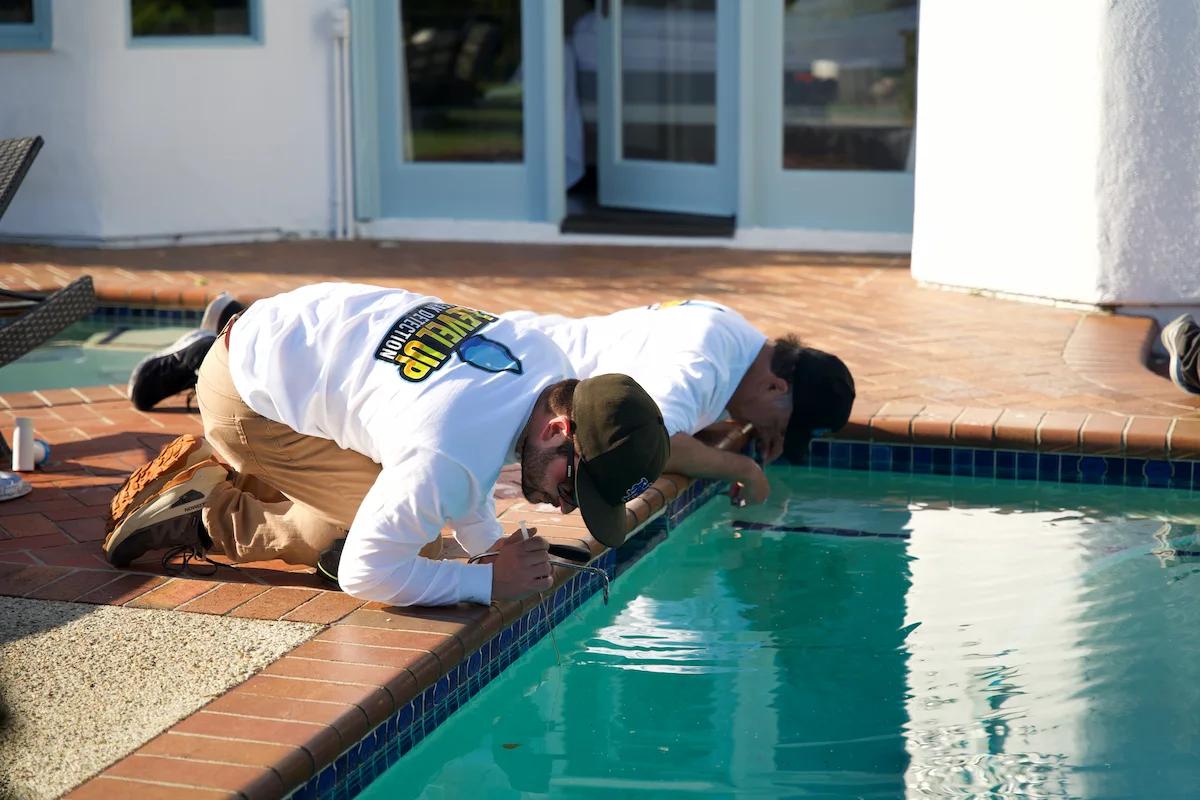
A pool in Canyon Creek represents a significant investment — and a significant liability if problems go undetected. Small problems become big expenses when left unchecked, and in Canyon Creek's geological transition zone with more limestone influence in the west and deeper clay in the east, problems escalate faster than most homeowners expect. A professional inspection gives you expert-level insight into what's really happening with your pool — not just what's visible from the deck.
What We Inspect on Your Canyon Creek Pool
Level Up Leak Detection's inspection covers every component of your pool system, visible and hidden.
Shell and Surface Condition — We examine the entire pool structure for cracks, delamination, hollow spots, surface deterioration, tile damage, and waterline wear. In Canyon Creek's transitional geology, we evaluate findings through the lens of whichever soil type dominates your specific property — clay-driven movement damage on some lots, limestone settling and drainage on others. This site-specific approach catches problems that one-size-fits-all inspections miss.
All Mechanical Equipment — Pumps, variable-speed motors, filters, heaters, heat pumps, salt chlorine generators, automation controllers, and timers are tested and assessed. We evaluate current function, visible wear, component age, and estimated remaining useful life. Central Texas heat drives heavy equipment use from April through October, compressing lifespans compared to milder climates.
Plumbing Pressure Testing — If a supply or return line is the suspected source, we pressure test that line to confirm the failure underground. This is the most critical step for Canyon Creek pools because western portions encounter limestone closer to the surface while eastern sections deal with deeper clay. this means pool problems and their causes can differ across the community — an important diagnostic consideration. Underground plumbing failures are invisible without pressure testing and are among the most expensive issues we uncover.
Electrical Systems — Bonding, grounding, GFCI protection, underwater lighting, and automation wiring are evaluated for function and safety. Texas heat and UV degrade electrical connections over time, and pool electrical safety is a life-safety issue we take seriously.
Safety Compliance — Barriers, self-closing gates, drain covers, and entrapment prevention are verified against current Texas code. Many older Canyon Creek pools were built under earlier standards that don't meet today's requirements.
Deck, Coping, and Hardscape — Cracks, settling, separation, drainage, and trip hazards are documented. In Canyon Creek, deck damage often signals ground movement that's also affecting the pool shell beneath the surface.
Water Features and Spa — Spillovers, bubblers, sheer descents, and attached spas are inspected for function, leaks, and plumbing integrity.
How Canyon Creek Conditions Shape Our Inspection
Western portions encounter limestone closer to the surface while eastern sections deal with deeper clay. This means pool problems and their causes can differ across the community — an important diagnostic consideration. We don't just check boxes — we evaluate every finding through the lens of what Canyon Creek's specific soil, climate, and conditions mean for your pool's long-term health. 25-40 year old pools from the 1980s-1990s — the age range with the highest leak probability — and each age range presents different priorities during an inspection.
What You Receive
Within 24 hours of your inspection, you get a comprehensive digital report including:
- Component-by-component condition assessments with current status and remaining useful life estimates
- Photographs documenting every finding
- Repair cost estimates for each issue identified
- Priority ranking — urgent vs. monitor vs. cosmetic
- Maintenance recommendations specific to Canyon Creek's Central Texas conditions
We follow up with a personal review call to walk through every finding in plain language — no confusing pool industry jargon.
Who Benefits From a Canyon Creek Pool Inspection
Homebuyers — Our report gives you documented leverage to negotiate repairs or adjust your offer. In Canyon Creek's competitive market, knowing the true pool condition before the option period expires is essential.
Sellers — A pre-listing inspection eliminates surprises, demonstrates pool condition to buyers, and helps deals close smoothly.
Current Owners — Annual inspections catch developing problems early. Equipment nearing end of life, slow leaks, and safety gaps are all cheaper to address before they become emergencies.
Property Managers — Documented assessments help you budget maintenance, plan capital improvements, and protect investment properties.
Frequently Asked Questions
Answers to the questions Canyon Creek homeowners ask most about pool inspection.
Talk with a certified leak detection technician. No pressure, just straight answers.
What does a pool inspection in Canyon Creek include?
We inspect the shell and surface, all equipment, plumbing pressure testing where warranted, electrical systems, safety compliance, deck and coping, and water features. You receive a comprehensive report with photos, findings, cost estimates, and priorities within 24 hours.
Should I get a pool inspection before buying in Canyon Creek?
Yes. Canyon Creek pools face geological transition zone with more limestone influence in the west and deeper clay in the east. These conditions hide expensive problems beneath a pool that looks fine on the surface. Our report documents underground plumbing condition, equipment lifespan, structural integrity, and safety compliance — essential leverage for negotiations.
How long does a pool inspection take?
Most Canyon Creek inspections take one to two hours on site. We operate all equipment, pressure test any line the inspection flags as suspect, and document everything during the visit.
How is an inspection different from leak detection?
An inspection evaluates your entire pool system comprehensively — structure, equipment, plumbing, electrical, safety, and cosmetics. Leak detection specifically targets the source of active water loss. If we find leak evidence during an inspection, we can follow up with targeted detection.
Do you inspect pool equipment age and condition?
Yes. We evaluate every component on the equipment pad for function, wear, age, and remaining useful life. Central Texas equipment runs 6-7 months of heavy use annually, which shortens lifespans compared to milder climates.
How quickly can I schedule in Canyon Creek?
We typically schedule within 24 to 48 hours. We understand real estate timelines don't wait.
Pool Inspection Near Canyon Creek
- Pool Inspection in Anderson Mill
- Pool Inspection in Arboretum
- Pool Inspection in Avery Ranch
- Pool Inspection in Brentwood
- Pool Inspection in Cedar Park
- Pool Inspection in Crestview
- Pool Inspection in East Austin
- Pool Inspection in Hutto
- Pool Inspection in Hyde Park
- Pool Inspection in Lakeway
- Pool Inspection in Leander
- Pool Inspection in Manor
- Pool Inspection in Milwood
- Pool Inspection in Mueller
- Pool Inspection in North Lamar
- Pool Inspection in Northwest Hills
- Pool Inspection in Pflugerville
- Pool Inspection in River Place
- Pool Inspection in Round Rock
- Pool Inspection in Scofield
- Pool Inspection in Steiner Ranch
- Pool Inspection in Tech Ridge
- Pool Inspection in The Domain
- Pool Inspection in Wells Branch
- Pool Inspection in Windsor Park
How It Works
Schedule
Contact us via phone or online form. We'll set up a convenient time for your inspection.
Detect
Our certified technicians use specialized equipment to locate the leak source and deliver a detailed leak detection report.
Repair
After your leak detection report is delivered, we will provide an estimate for any recommended repairs.
Need Pool Inspection in Canyon Creek?
Schedule your inspection today and get answers fast.
Thanks — we've got it!
A local leak specialist will reach out shortly.
Need help right away?Call us now